
Industry Insights
Why Do Paprika Powders With the Same ASTA Value Look Different?
Same ASTA value, different color? The ASTA value counts red and yellow pigments together, so a high ASTA paprika is not always redder. Here is how to choose a red paprika powder without overpaying.
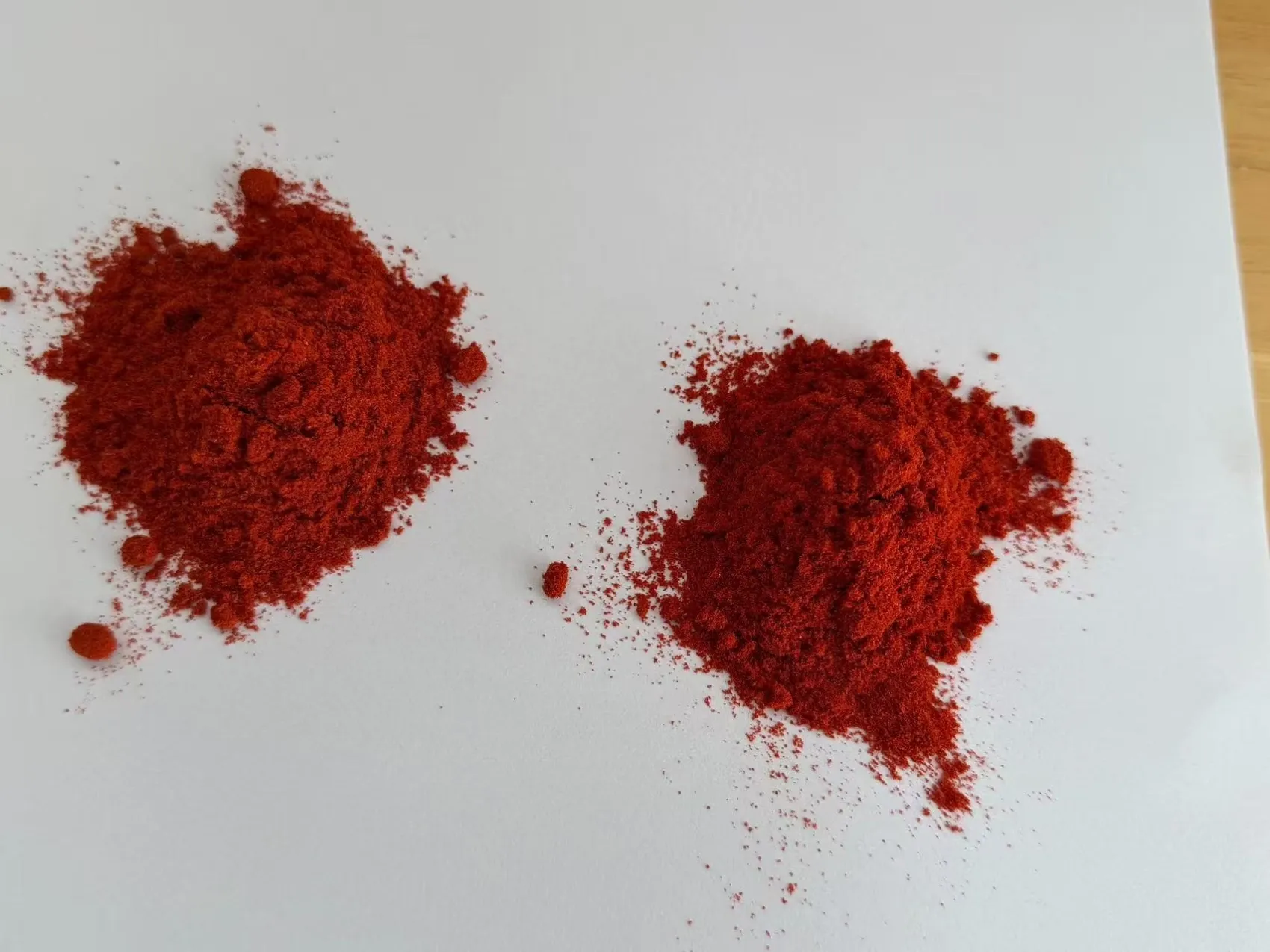
Two paprika powders can carry the same ASTA color value and still look quite different in the bag. One looks deep red; the other looks more orange. If you buy by color value alone, this can be confusing. The reason is simple: the ASTA value does not measure redness alone.
What the ASTA Value Actually Measures
The ASTA color value measures the total color extracted from the paprika, including both red pigments and yellow pigments. A high ASTA value means strong total color — but it does not tell you how much of that color is red and how much is yellow.
Why a High ASTA Paprika Is Not Always Redder
Because yellow pigments count toward the ASTA value, a paprika powder can reach a high ASTA value with a large share of yellow pigments — and still look more orange than red. At the same time, a paprika powder that looks strikingly red does not necessarily have a high ASTA value, because its total pigment content may be lower. Redness and ASTA value do not always move together.
It Comes Down to Variety
The balance of red and yellow pigments in paprika powder depends largely on the pepper variety. That is why two powders with the same ASTA value can look different — and why the variety behind the powder matters as much as the number on the spec sheet.
What This Means When You Buy Paprika Powder
If red appearance is what matters most for your product — for example, a sauce, a seasoning blend, or a retail pack where the color must look rich and red — the ASTA value alone is not enough to judge by. Ask how the color is composed, not just how high the number is.
Choosing a Red Paprika at a Lower Price
Here is the practical side: a paprika powder does not need the highest ASTA value to look red. Some varieties are naturally richer in red pigments, so they look redder at the same — or even a lower — color value. Choosing one of these varieties is how buyers get a red-looking paprika powder without paying for the highest ASTA grades. The key is matching the variety to the color you need, rather than chasing the highest number.
Bottom Line
ASTA value and red appearance are related, but they are not the same thing. The ASTA value counts red and yellow pigments together, so the same number can hide very different colors. When you choose paprika powder, look beyond the number: a variety with a higher share of red pigments can give you the red color you want at a better price.
