Industry Insights
Is All Paprika Sweet? Sweet vs Hot Paprika Explained
Is all paprika sweet? No — paprika ranges from sweet to hot. Learn how SHU, ASTA and pepper variety decide heat, color and flavor before you buy in bulk.
No, not all paprika is sweet. Paprika is a name for a ground spice made from dried peppers, not a single heat level, and the peppers that go into it decide whether the finished powder is sweet, mildly hot or hot. A buyer who orders paprika by name alone, without stating the heat level, can receive a powder that is technically paprika and still wrong for the dish, the blend or the retail pack it was bought for. The short answer is this: check the heat level and the color value separately, in writing, for your order, and judge a sample against both before the full shipment is produced.
The sauce that came out hotter than the label promised
A buyer orders paprika for a sauce line, because the recipe calls for paprika and the last batch worked well. The new powder arrives, it looks the same deep red as the last one, and it smells the same. It goes into production, and the first tasting stops the line. The sauce is hotter than the recipe allows. The buyer checks the bag and finds nothing wrong with the name on it. It says paprika powder, and the color looks right. The problem is not that the supplier sent the wrong product by name. The problem is that paprika and sweet are not the same word, and the order never said which kind of paprika was wanted. A sweet paprika powder and a hot paprika powder can look almost the same in the bag, because the color that makes paprika red is not the same thing as the heat that makes it hot. A sauce that is too hot has to be reworked or thrown away, and a retail customer who buys a jar marked sweet and finds it hot will not buy that brand again.
Why one paprika is sweet and another is hot
The heat of paprika comes from the peppers it is made from, and different peppers carry different heat, even when they are dried and ground in the same way. Our paprika powder is made from fully ripened red sweet paprika, naturally dried and finely ground, and the sweet type is sold at a heat level of 0 to 500 Scoville Heat Units, with a mild hot option up to 2,000 Scoville Heat Units. Our crushed sweet paprika is sold at 500 Scoville Heat Units, and our crushed paprika without seeds is also sold at 500 Scoville Heat Units, with the heat level customizable for the order. Our whole paprika peppers, sold as sweet pepper pods, are sold at a heat level of less than 500 Scoville Heat Units, with a sweet, mild pepper aroma and no pungency or very low heat. A buyer who wants sweet paprika should ask for the sweet type and the Scoville range that goes with it, and a buyer who wants a little heat should ask for the mild hot option by name and by number.
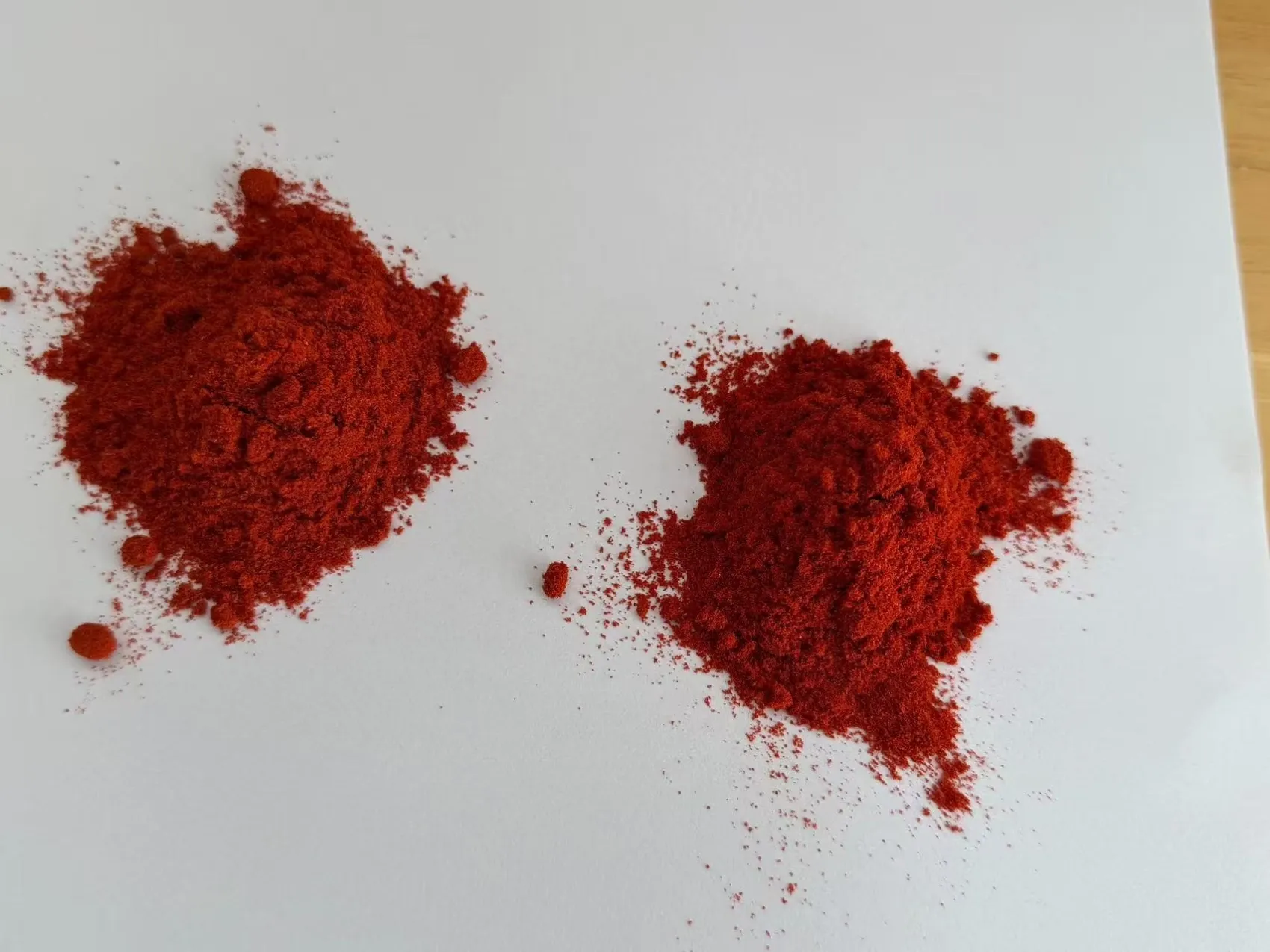
Color and heat are measured separately, and a high color value does not mean a high heat level. Our paprika powder is sold at a color value of 40 to 220 ASTA, customizable to 80, 100 or 120 ASTA, and our paprika powder 220 ASTA is the high-color end of that range. ASTA measures how red the powder is, not how hot it is. A 220 ASTA powder can be sweet, and a low ASTA powder can be hot. A buyer who wants a bright red sauce should ask for the ASTA value, and a buyer who wants a mild sauce should ask for the Scoville range, and neither number can stand in for the other. The form matters too. Our paprika powder is sold at a mesh size of 40 to 70 mesh, and our crushed paprika flakes are sold at a mesh size of 3 to 5 millimeters, so the form and the mesh size should also be agreed for the order.
Purity does not decide whether a paprika is sweet or hot, but it decides whether a sweet paprika can be sold in a market that tests for dyes and additives. Our paprika powder is 100 percent pure, with no Sudan dyes, no food additives and no preservatives, and every batch passes pesticide residue testing. Our whole paprika peppers are manually sorted to remove defective peppers, so the raw material is consistent from one batch to the next.
Decide sweet or hot before you ask for a price
Write down sweet or hot before asking for a quotation, because the price only makes sense against a defined product. Start with the heat level as a Scoville range, then set the color value, then set the form and the mesh size, then state what the product must not contain, then agree on the testing for your batch and ask what documentation comes with the shipment. Then agree on the packaging. We sell factory-direct at low prices, with paprika raw material in stock, and we are a factory in Qingdao, China, close to Qingdao Port, but delivery speed and price do not change the product itself, so they should be agreed after the specification is settled, not used as a substitute for it. A specification written in this order also makes comparing suppliers fair, because two quotations for the same written specification can be compared on price, delivery and service.
What a good check cannot prove
A sample proves what the sample is, not what the full shipment will be, so the sample should be judged against the written specification and the shipment should be checked against the same specification when it arrives. A test report proves what was tested, so a buyer should ask which batch the report covers and whether the tests match the requirements of their own market. A powder that is 100 percent pure and free from Sudan dyes is a strong starting point, but it does not remove the need to confirm the heat level and the color value for your own order. There are also questions no article can answer for a specific buyer, such as the import documents your market requires or the labeling rules for your country, and those should be confirmed with the supplier and with your local requirements before you commit to a volume.
Your next step
Send the supplier your specification and ask for two things back: a sample made to that specification, and a quotation for the quantity and packaging you need. When the sample arrives, cook a small test batch in the dish the paprika is meant for, and taste for heat that is even from one spoonful to the next. Check whether the heat matches the Scoville range you wrote down, and whether the color matches the ASTA value you wrote down, and do not accept one as proof of the other. Then confirm the packaging, the order quantity and the testing documents for your batch, and ask the supplier to confirm the specification in writing before production starts. If the sample matches, you have a specification you can reuse for the next order. If it does not match, you have learned that cheaply, before a full shipment is on its way. Tell us whether you want sweet paprika or mild hot paprika, the ASTA value and the mesh size for your order, and we will confirm the specification for your order. Get a Quote or Request Samples to start.